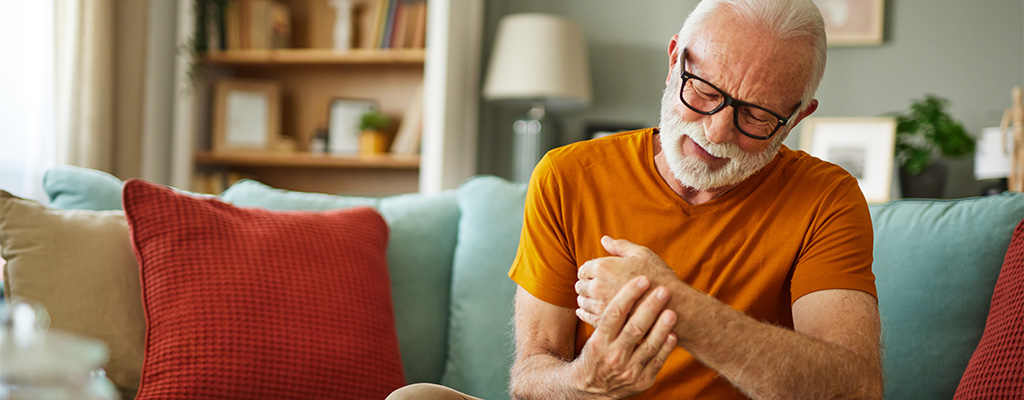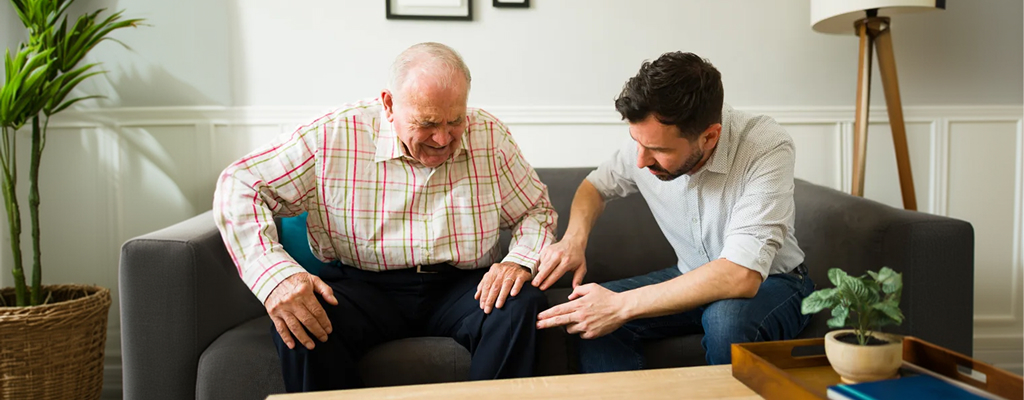
Are you experiencing persistent joint pain, particularly in a weight-bearing joint like your hip or knee? Do you ever notice a clicking or grinding sensation in your painful joint? If so, you may have developed osteoarthritis, the most common form of arthritis.
Arthritis is an umbrella term for over 100 conditions that cause joint inflammation and lead to pain and restricted mobility. The source of that inflammation will vary depending on the type of arthritis. Osteoarthritis is caused by the degeneration of the cartilage and bone tissue in the affected joint.
Osteoarthritis has no cure and can profoundly impact your overall quality of life, making it harder for you to stay active, keep up with chores, and enjoy time with your loved ones. Fortunately, physiotherapy at Mt. Lehman Physiotherapy Clinic offers several tools and techniques to help you manage your symptoms — often enough that you can delay or even avoid surgical interventions.
If you’re tired of living with osteoarthritis pain, call us to schedule an appointment today!
Understanding Osteoarthritis: Symptoms and Causes
The primary symptoms of osteoarthritis are pain and stiffness in the affected joint. These symptoms often manifest in the following ways:
- Pain during activity but not while at rest
- Pain when you press on the joint
- Joint stiffness first thing in the morning
- Joint stiffness after sitting or lying down for long periods
- Noises in the joint, including creaking, cracking, or crunching
While any joint can develop osteoarthritis, it most commonly occurs in weight-bearing joints like the knees and hips. However, it’s also fairly common in the hands, spine, and feet.
The causes of osteoarthritis are complex, and several factors can contribute to it. One of these factors is age: approximately 73% of people with the condition are 55 years or older. That’s not to say osteoarthritis is an inevitable part of the aging process — plenty of older people don’t have it. But your chances of developing it do increase as you age.
Other possible factors contributing to osteoarthritis include past injuries to the joint, gender (women are more likely to develop it than men), body weight, and even genetic predispositions.
Exercise of the Month
Seated Leg Extension
(Quadriceps, Knees)
Sit up straight in a chair with your feet flat on the floor. Slowly extend one leg out in front of you until it’s straight, squeezing your thigh muscle. Hold briefly, then lower it back down with control. Alternate legs or complete all reps on one side before switching. 3 Sets, 10 Reps (each leg). (Materials needed: chair)
How Physiotherapy Helps Manage Osteoarthritis Symptoms
The good news is that you can control osteoarthritis symptoms with the help of physiotherapy. Although movement can be painful with osteoarthritis, exercise is one of the best drug-free ways to manage the condition. Our physiotherapists will help you find an exercise program that suits your needs.
Here’s how we’ll do it:
- Comprehensive Evaluation: We start by evaluating how osteoarthritis impacts you, including performing simple tests to assess your strength, mobility, and/or balance. We’ll also ask you about the ways that osteoarthritis is negatively affecting your life. For example, which activities do you find challenging?
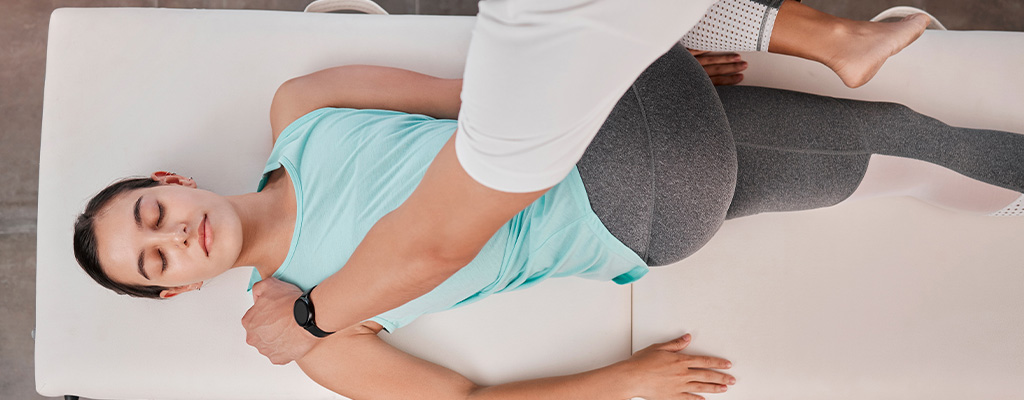
- Provide Pain Relief: We’ll use manual therapy techniques to help manage your pain and get the joint moving in a gentle way. For example, we might guide the joint through its current range of motion or manipulate the surrounding soft tissue.
- Build Strength and Restore Mobility: We’ll develop a customized, progressive exercise program to rebuild lost strength and mobility in the affected joint. Building strength, in particular, can help support and protect the joint so you can move more easily.
- Develop An At-Home Exercise Program: You’ll supplement your sessions in our clinic with a personalized home workout program to ensure you keep moving! We’ll find something that suits your abilities and interests, such as a walking program or water aerobics.
- Provide Strategies for Activity Modifications: Finally, we can help you identify and avoid any specific activities that might put too much strain on your joints. If needed, we can also show you how to use mobility aids (such as canes or walkers).

Debunking the Myth That Running Causes Osteoarthritis
Osteoarthritis (OA) is a degenerative joint disease characterized by the breakdown of cartilage in the joints, leading to pain, stiffness, and impaired mobility. While there is a common misconception that running contributes to the development of OA, numerous studies have shown this to be a myth.
Running has various health benefits, including improved cardiovascular fitness and weight management, which support joint health. In addition, movement, including running, helps keep the cartilage in the knee healthy.
Research has highlighted other factors that are contributors to the development of knee OA:
- Age: Aging is the most significant risk factor for OA. As individuals age, the cartilage in their joints naturally undergoes wear and tear, making them more susceptible to degeneration.
- Genetics: Genetic factors play a crucial role in determining an individual’s susceptibility to OA. Certain genetic variations have been associated with an increased risk of developing OA in various joints, including the knee.
- Previous joint injuries: Previous knee injuries, such as ligament or meniscus tears, can predispose individuals to OA later in life. The trauma from these injuries can accelerate the degenerative process in the affected joint.
- Obesity: Excess body weight places additional stress on the knee joints, leading to accelerated cartilage breakdown and an increased risk of developing OA. Maintaining a healthy weight through regular exercise and a balanced diet can help reduce the risk of OA.
- Joint misalignment or instability: Abnormalities in joint structure or function, such as malalignment or instability, can lead to uneven distribution of forces within the knee joint, contributing to cartilage degeneration and OA development.
The bottom line is that running does not cause knee OA. At Mt. Lehman Physiotherapy Clinic, our physiotherapists understand the risk factors associated with knee arthritis and will provide programs to preserve your joint health and reduce the burden of OA so you can keep running!
Test Your Osteoarthritis Knowledge
Anti-Inflammatory Kale & Grain Bowl
This nourishing grain bowl is packed with anti-inflammatory ingredients that support joint health — perfect for those managing osteoarthritis. The combination of whole grains, leafy greens, and healthy fats delivers nutrients that may help reduce inflammation and support cartilage health.
Ingredients
- 1 cup cooked farro or brown rice
- 2 cups fresh kale, massaged with 1 tsp olive oil
- ½ medium apple, thinly sliced
- ¼ cup cooked or canned beets, diced
- 2 tbsp walnuts, roughly chopped
- 2 tbsp raisins or dried cranberries
- 2 tbsp olive oil, juice of ½ lemon, 1 tsp honey, salt & pepper (dressing)
Directions
Cook farro or brown rice according to package instructions and let cool slightly. Massage kale with olive oil until softened. Assemble grain, kale, apple, beets, walnuts, and raisins in a bowl. Whisk together dressing ingredients and drizzle over top. Toss and serve immediately. Serves 2.

Don’t Let Osteoarthritis Pain Hold You Back!
We know that living with osteoarthritis can be difficult, but the physiotherapists at Mt. Lehman Physiotherapy Clinic are here to help you manage your condition and live your life to the fullest. With customized treatment plans, targeted exercise programs, and acute pain management techniques, physiotherapy can help you take control of osteoarthritis pain.
Ready to get started? Call us to schedule your initial consultation today!
Sources
NL 1.04 — Find Relief from Osteoarthritis Pain:
https://www.choosept.com/guide/physical-therapy-guide-osteoarthritis
https://www.who.int/news-room/fact-sheets/detail/osteoarthritis
https://www.arthritis.org/health-wellness/healthy-living/physical-activity/getting-started/benefits-of-exercise-for-osteoarthritis
SA 4.10 — Debunking the Myth That Running Causes Osteoarthritis:
https://www.ncbi.nlm.nih.gov/pmc/articles/PMC9983113/
https://pubmed.ncbi.nlm.nih.gov/27519678/